
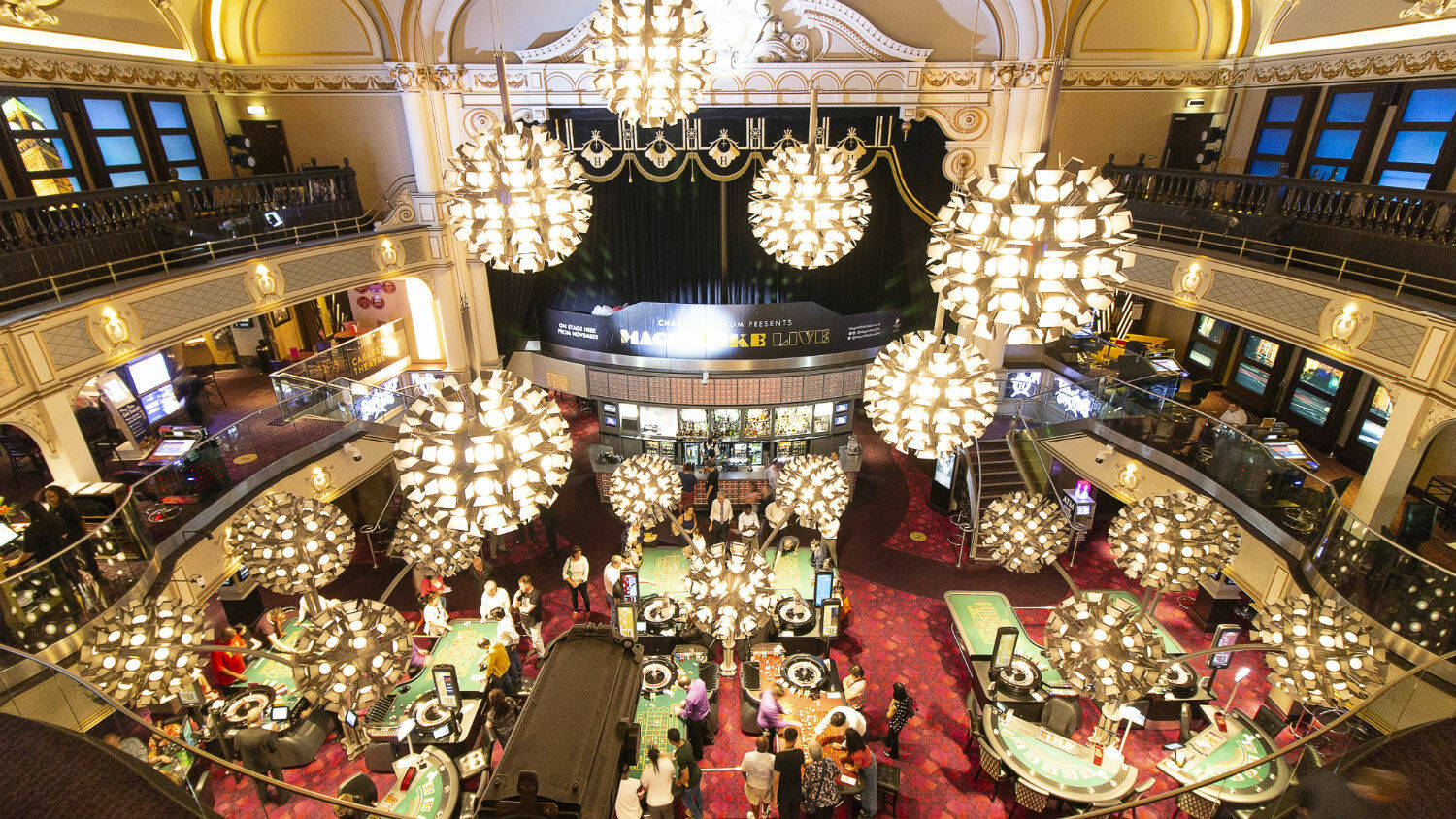
Engaging with immersive experiences can significantly elevate your mood and mental well-being. To amplify enjoyment, focus on the elements that create urgency and challenge, www.bet-online.org such as time limits and scoring milestones. Incorporating these features creates an adrenaline rush that keeps participants hooked.
Utilize social dynamics to enhance interaction. Team-based activities or competitive settings foster camaraderie and rivalry, driving participants to push their limits. Sharing achievements and progress with friends can lead to a sense of belonging and encourage ongoing participation.
Experiment with narrative layers for deeper engagement. Intriguing plots and character development pull individuals into the experience, making it more memorable. When players feel an emotional connection to the storyline, their involvement increases, adding to the overall thrill.
Lastly, consider the role of rewards. Frequent, achievable rewards maintain motivation and create a satisfying feedback loop. Offering diverse incentives, from cosmetic upgrades to special abilities, ensures a sustained interest and excitement throughout the engagement.
How Game Mechanics Trigger Emotional Responses
Incorporating reward systems based on progression is crucial for stimulating feelings of achievement. Players experience a surge of dopamine when they complete levels or unlock new content, enhancing engagement. This can be accomplished through regular milestones, which should be spaced effectively to maintain sustained interest.
Variable Rewards
Using unpredictable rewards significantly elevates emotional investment. Introducing loot boxes or randomized bonuses creates excitement, as players are driven by the potential for high-value outcomes. This unpredictability triggers anticipation, prompting players to invest more time and resources. Implementing a balance ensures that these mechanics feel rewarding rather than frustrating.
Challenge and Mastery
Balancing difficulty is integral to emotional engagement. Players seek challenges that are neither too easy nor overwhelming. This balance encourages perseverance, leading to a sense of gratification upon overcoming obstacles. Mechanics that allow for skill development can create a sense of mastery, fostering a deeper connection with the experience.
Social interactions add another layer of emotional responsiveness. Cooperative or competitive features enable players to form relationships and rivalries. This element taps into social validation, enhancing motivation and creating memorable experiences. Incorporating leaderboards or team challenges can significantly amplify these feelings.
Storytelling intertwined with mechanics reinforces emotional connections. When players invest in characters or narratives, the stakes become personal. Crafting branching narratives that adapt based on player choices can elicit strong emotional reactions, engaging players at a deeper level. This connection propels ongoing interest and investment.
Role of Competition in Enhancing Engagement
Incorporating competitive elements significantly uplifts participant involvement. Establishing leaderboards provides a visual representation of achievements, motivating individuals to strive for higher ranks. Regularly updating these rankings keeps excitement alive, as players are inspired to improve their status.
Incentives such as rewards for top performers create a driving force behind participation. Offering tangible prizes or exclusive in-game items encourages players to invest time and effort. Creating challenges with limited-time offers further enhances the urgency, prompting players to engage more intensely.
Interaction among participants via challenges or tournaments enriches the experience. Engaging in direct competition fosters social bonds, as individuals rally around common goals. Collaborating in teams or competing against friends enhances the thrill and makes the experience memorable.
Feedback mechanisms, like instant notifications of performance, play a key role in maintaining interest. When participants receive updates or congratulatory messages, it reinforces their investment in the environment. These timely interactions keep players connected and eager to improve.
Variability in competition levels caters to different skill sets, ensuring that both novices and experts feel challenged. Introducing tiers or divisions allows for a balanced experience, enabling all players to find suitable opponents. This inclusivity helps retain a wide audience and keeps the momentum going.
Cultivating a culture of friendly rivalry creates a positive atmosphere. Recognizing achievements publicly, such as through shout-outs or special mentions, builds community spirit. This communal recognition not only motivates individuals but also fosters an engaging environment where everyone feels valued.